
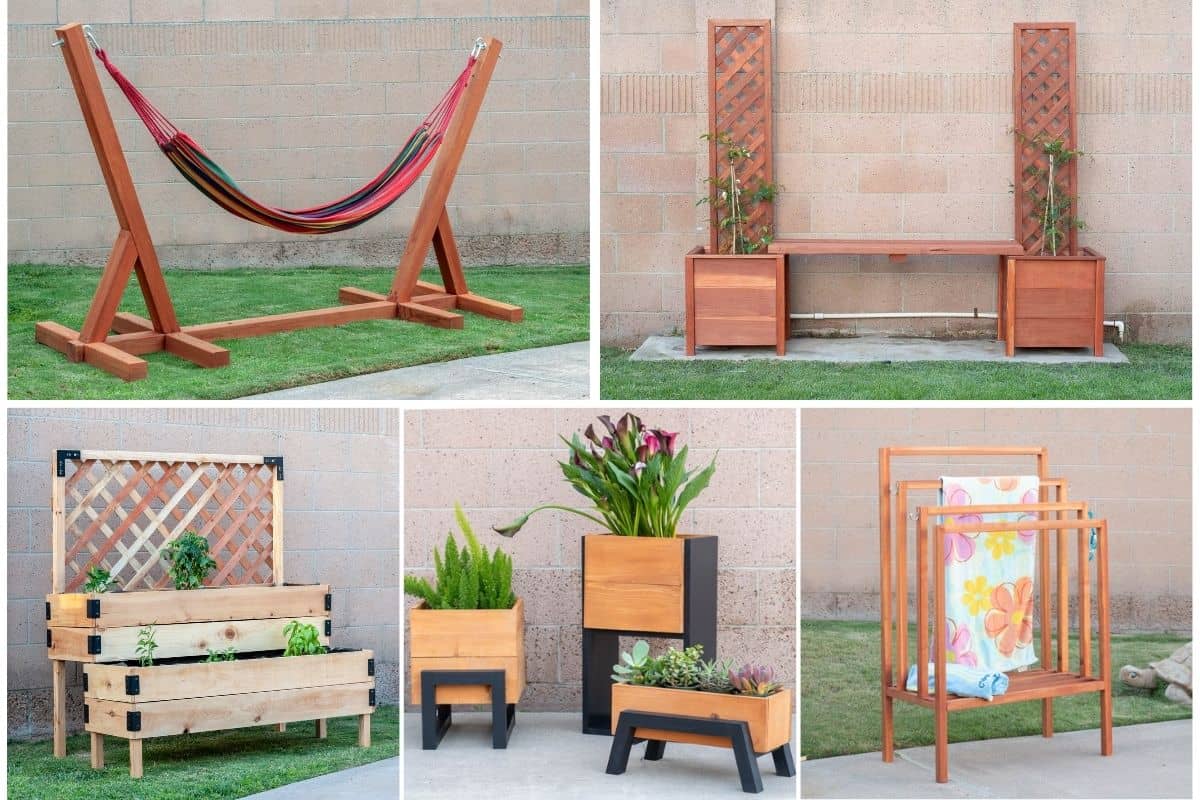
Woodworking has evolved from a traditional craft into a highly accessible DIY activity that anyone can start from home. With the right guidance and structured approach, even beginners can create functional and aesthetic wooden projects without expensive training or advanced tools. The key lies in understanding how to use organized instructions and reliable design resources effectively.
Today, many hobbyists and professionals rely on digital resources to streamline their workflow and reduce trial-and-error mistakes. Whether you’re building furniture, garden structures, or small decorative pieces, having a clear blueprint can make the difference between frustration and success.
Why Structured Woodworking Matters
One of the biggest challenges in woodworking is accuracy. Even a small measurement error can affect the entire project. That’s why experienced craftsmen emphasize planning before execution.
Well-designed instructions help you visualize the final product before you even pick up a saw. They also ensure material efficiency, reducing waste and saving costs. This is where woodworking plans become essential—they act as a roadmap for every stage of construction, from cutting to final assembly.
Instead of guessing dimensions or improvising joints, a proper plan provides step-by-step clarity. This not only improves results but also boosts confidence for beginners who are just entering the craft.
The Rise of DIY Woodworking at Home
In recent years, home-based crafting has grown significantly. People are turning garages, balconies, and spare rooms into mini workshops. The appeal is simple: creativity, relaxation, and the satisfaction of building something with your own hands.
The popularity of DIY woodworking projects is also driven by affordability. Instead of buying expensive furniture, many individuals now prefer building custom pieces tailored to their space and taste. From bookshelves to outdoor benches, DIY projects offer endless possibilities.
Another advantage is skill development. As you progress, you naturally learn about joinery, material selection, finishing techniques, and tool handling. Over time, even complex builds start to feel manageable.
How Beginners Can Start Woodworking Successfully
Starting woodworking doesn’t require a professional setup. A few essential tools, a safe workspace, and structured guidance are enough to begin.
Here are some foundational steps:
- Start with simple projects like small tables or storage boxes
- Focus on accurate measurements before cutting materials
- Use softwoods like pine for easier handling
- Learn basic joints before attempting advanced designs
- Always follow a clear step-by-step plan
Many beginners fail not because woodworking is difficult, but because they skip planning. Following structured instructions prevents costly mistakes and keeps the process enjoyable.
The Importance of Reliable Design Resources
A good woodworking project depends heavily on the quality of its blueprint. Poorly designed instructions often lead to confusion, wasted material, and unfinished projects.
Reliable resources offer detailed diagrams, material lists, and step-by-step assembly guidance. Some platforms, such as Teds Woodworking Official Site, provide large collections of project ideas that cater to different skill levels. These resources help users move from beginner to advanced stages gradually, without feeling overwhelmed.
When selecting any resource, always check for clarity, completeness, and ease of understanding. A good plan should feel like a teacher guiding you through each step.
Skills You Develop Through Woodworking
Woodworking is more than just building objects—it develops patience, precision, and problem-solving abilities. Over time, you naturally improve in:
- Spatial awareness and design thinking
- Tool handling and safety awareness
- Material selection and cost efficiency
- Finishing techniques like sanding and polishing
These skills not only help in woodworking but also improve creativity in other areas of life.
Turning Hobby into Long-Term Passion
Many people start woodworking as a weekend hobby, but it often grows into a long-term passion. The satisfaction of creating something functional from raw material is unmatched.
As experience increases, you can experiment with advanced designs like cabinets, outdoor structures, and custom furniture. At this stage, having access to structured guides and ideas becomes even more valuable.
Platforms that organize project collections and instructions help you continuously grow without confusion or stagnation.
Final Thoughts
Woodworking is one of the most rewarding creative skills anyone can learn. With the right mindset and structured guidance, even beginners can build impressive and durable projects at home. The key is to start simple, stay consistent, and rely on clear instructions instead of guesswork.
Whether you’re exploring it as a hobby or aiming to build advanced furniture pieces, structured planning will always be your strongest tool.
Leave a Reply