
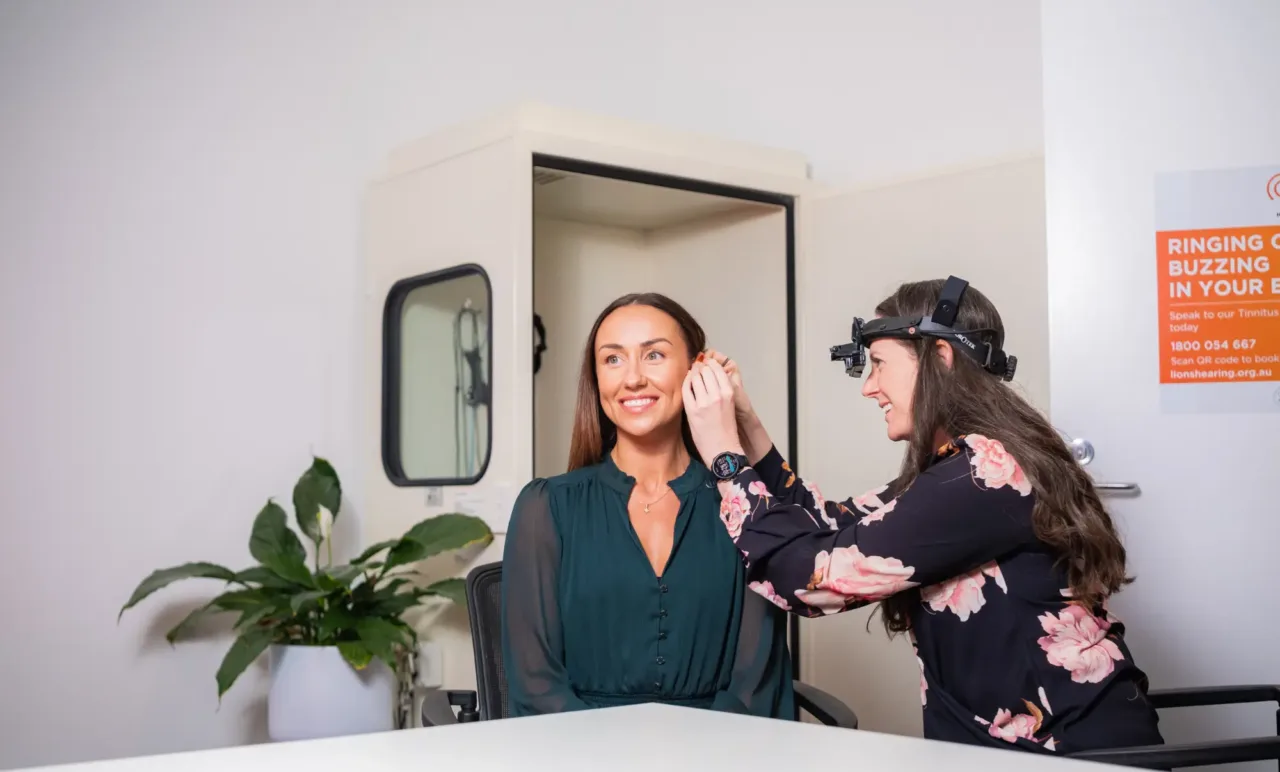
Our ears work around the clock, helping us communicate, enjoy music, recognize danger, and stay connected with the world around us. Yet hearing health is often overlooked until problems begin to appear. From constant exposure to loud environments to unhealthy lifestyle habits, many everyday factors can gradually affect our ability to hear clearly.
Fortunately, developing better hearing habits doesn’t require complicated routines or expensive interventions. Small, consistent actions can make a meaningful difference over time and help people become more aware of the importance of long-term ear wellness.
Why Hearing Health Deserves More Attention
Many people regularly protect their eyes, skin, and teeth, but rarely think about their ears. Unlike temporary discomfort that is immediately noticeable, hearing-related changes can happen gradually, making them difficult to recognize in the early stages.
Modern lifestyles expose people to continuous background noise through traffic, entertainment systems, headphones, construction activity, and workplace equipment. Even moderate sound levels experienced for extended periods may contribute to hearing fatigue.
Creating awareness about healthy listening habits is one of the most practical steps toward preserving hearing quality throughout life.
Everyday Habits That Support Better Ear Wellness
Simple preventive measures can significantly reduce unnecessary stress on your ears.
Some helpful practices include:
- Keeping headphone volume at comfortable levels.
- Taking listening breaks during extended audio sessions.
- Using hearing protection in loud environments.
- Avoiding inserting unnecessary objects into the ear canal.
- Maintaining good overall health through proper nutrition and exercise.
- Getting regular medical checkups when hearing changes are noticed.
Consistency matters more than perfection. Even small improvements in daily habits can have long-term benefits.
The Impact of Lifestyle Choices
Overall wellness and hearing health are more connected than many people realize. Healthy circulation supports many parts of the body, including the delicate structures inside the ear.
Regular physical activity, balanced meals, quality sleep, and stress management contribute to better overall health and may indirectly support hearing wellness.
Hydration also plays an important role in maintaining normal body function, making healthy daily routines valuable beyond hearing alone.
Understanding Environmental Noise
Noise pollution has become part of everyday urban life. Busy roads, industrial machinery, concerts, sporting events, and even household appliances can expose people to sound levels that deserve attention.
Rather than eliminating enjoyable activities, individuals can reduce unnecessary exposure by:
- Standing farther from loud speakers.
- Wearing protective earplugs when appropriate.
- Taking periodic quiet breaks.
- Limiting continuous exposure to high-volume environments.
Awareness is often the first step toward prevention.
Technology and Healthy Listening
Personal audio devices have transformed how people consume entertainment and educational content. While incredibly convenient, they should be used responsibly.
Experts often recommend moderate listening volumes and periodic rest periods for the ears. Many modern devices also include built-in volume monitoring features that can help users stay within safer listening ranges.
Parents can also encourage children and teenagers to develop healthy listening habits early in life.
Recognizing Early Warning Signs
Changes in hearing should never be ignored. While occasional temporary effects after loud events may improve naturally, persistent symptoms deserve professional evaluation.
Possible warning signs include:
- Frequently asking others to repeat themselves.
- Difficulty following conversations in crowded places.
- Ringing or buzzing sensations.
- Turning television volume higher than others prefer.
- Feeling that sounds seem muffled.
Early consultation with qualified healthcare professionals can provide proper guidance and appropriate evaluation.
The Role of Information and Responsible Research
The internet offers enormous amounts of information about hearing wellness, but not every source provides reliable or balanced guidance.
When researching educational resources, wellness topics, or emerging approaches related to ear health, readers should prioritize trusted information and verify claims through credible references. Exploring educational materials such as Audifort Official resources alongside professional medical advice may help individuals better understand ongoing discussions surrounding hearing support and general wellness topics.
Likewise, those interested in learning more about hearing education and broader awareness initiatives often search for Audifort Official Website information while comparing available educational content and publicly accessible resources online.
Building Long-Term Hearing Awareness
Protecting hearing isn’t about reacting after problems occur—it’s about creating sustainable habits that support lifelong wellness.
Whether it’s lowering headphone volume, reducing unnecessary noise exposure, staying physically healthy, or seeking reliable educational information, every positive choice contributes to greater awareness and responsible self-care.
As our world becomes increasingly connected and increasingly noisy, taking simple preventive measures today may help preserve one of our most valuable senses for years to come.
Leave a Reply