
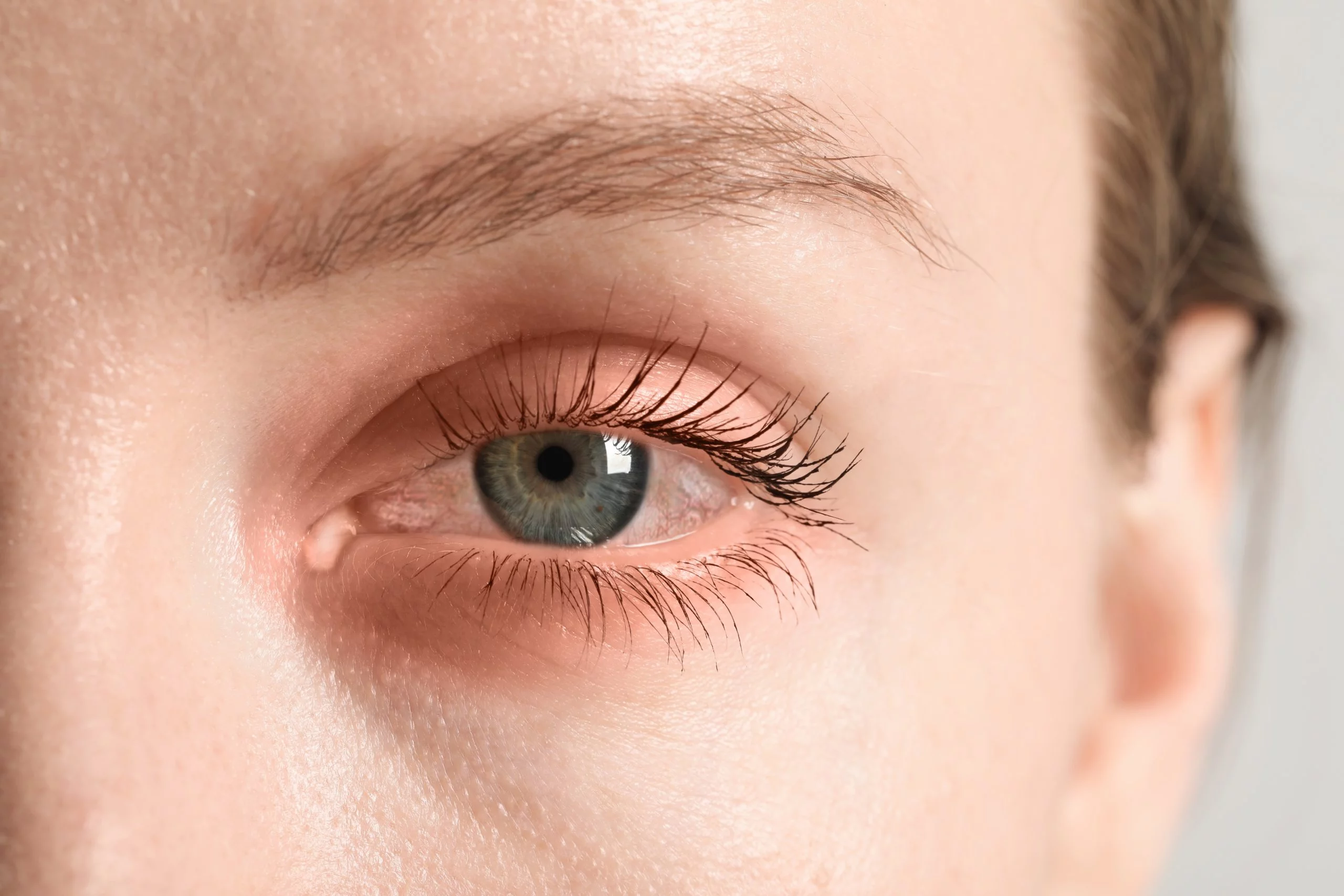
Our eyes work continuously from the moment we wake up until we go to sleep. Whether reading messages, working on a laptop, driving, or watching television, modern lifestyles place significant demands on our vision. While aging is a natural process, daily habits can influence how comfortable and healthy our eyes feel over time.
Many people focus only on getting new glasses when vision changes, but maintaining eye wellness involves much more than corrective lenses. Nutrition, sleep quality, hydration, physical activity, and regular checkups all contribute to supporting healthy vision throughout life.
The Growing Challenge of Digital Eye Strain
Digital devices have become part of everyday living. Extended screen exposure can lead to symptoms such as:
- Dry or irritated eyes
- Temporary blurred vision
- Headaches
- Difficulty focusing
- Eye fatigue
A practical approach is following the 20-20-20 rule: every 20 minutes, look at something approximately 20 feet away for 20 seconds. This simple habit may help reduce visual fatigue during prolonged screen use.
Nutrition Plays an Important Role
The eyes require a steady supply of nutrients to function efficiently. A balanced diet rich in colorful fruits and vegetables can provide valuable vitamins and antioxidants.
Foods commonly associated with eye-supportive nutrition include:
- Spinach
- Kale
- Carrots
- Bell peppers
- Citrus fruits
- Eggs
- Fish rich in omega-3 fatty acids
- Blueberries
These foods naturally contain nutrients such as lutein, zeaxanthin, vitamin C, vitamin E, and zinc, all of which have been widely studied for their relationship with eye health.
Hydration Should Not Be Ignored
Even mild dehydration may contribute to dry or uncomfortable eyes in some individuals. Drinking adequate water throughout the day helps support normal tear production and overall body function.
Those who spend long hours in air-conditioned offices or heated environments may especially benefit from maintaining proper hydration.
Prioritize Quality Sleep
Sleep gives the body an opportunity to recover, including the eyes. Poor sleep habits can contribute to redness, irritation, twitching, and feelings of tired eyes during the day.
Creating a consistent bedtime routine and reducing screen exposure before sleeping may improve overall comfort.
Protect Your Eyes Outdoors
Ultraviolet radiation can affect eye tissues over time. Wearing quality sunglasses with UV protection and using hats with wide brims during prolonged outdoor activities can help reduce unnecessary exposure.
Simple protective habits today may contribute to healthier vision in the years ahead.
Lifestyle Choices Matter
Regular physical activity supports circulation throughout the body, including the tiny blood vessels that nourish the eyes. Maintaining healthy blood pressure and blood sugar levels also contributes to long-term visual wellness.
Avoiding smoking and limiting excessive alcohol consumption are additional lifestyle choices often recommended by healthcare professionals.
The Value of Routine Eye Examinations
Many eye conditions develop gradually without obvious symptoms. Regular professional examinations can help detect potential concerns before noticeable vision changes occur.
Early identification often provides more management options and may improve long-term outcomes.
Learning About Modern Nutritional Approaches
As research into nutrition and visual wellness continues to evolve, many people explore educational resources discussing antioxidants, carotenoids, and emerging concepts like the gut-eye relationship. Reading evidence-based information and staying informed can help consumers make more thoughtful wellness decisions.
For readers interested in learning about newer nutritional concepts and ingredient combinations discussed in the vision wellness space, resources covering VisiFlora and broader eye health supplements can provide additional background information for educational purposes alongside guidance from qualified healthcare professionals.
Final Thoughts
Healthy vision isn’t supported by one single habit. Instead, it’s the combination of balanced nutrition, proper hydration, sufficient sleep, regular movement, UV protection, and routine eye examinations that creates a strong foundation for long-term eye wellness.
Small, consistent lifestyle improvements made today may contribute to better visual comfort and healthier eyes well into the future.
Leave a Reply