
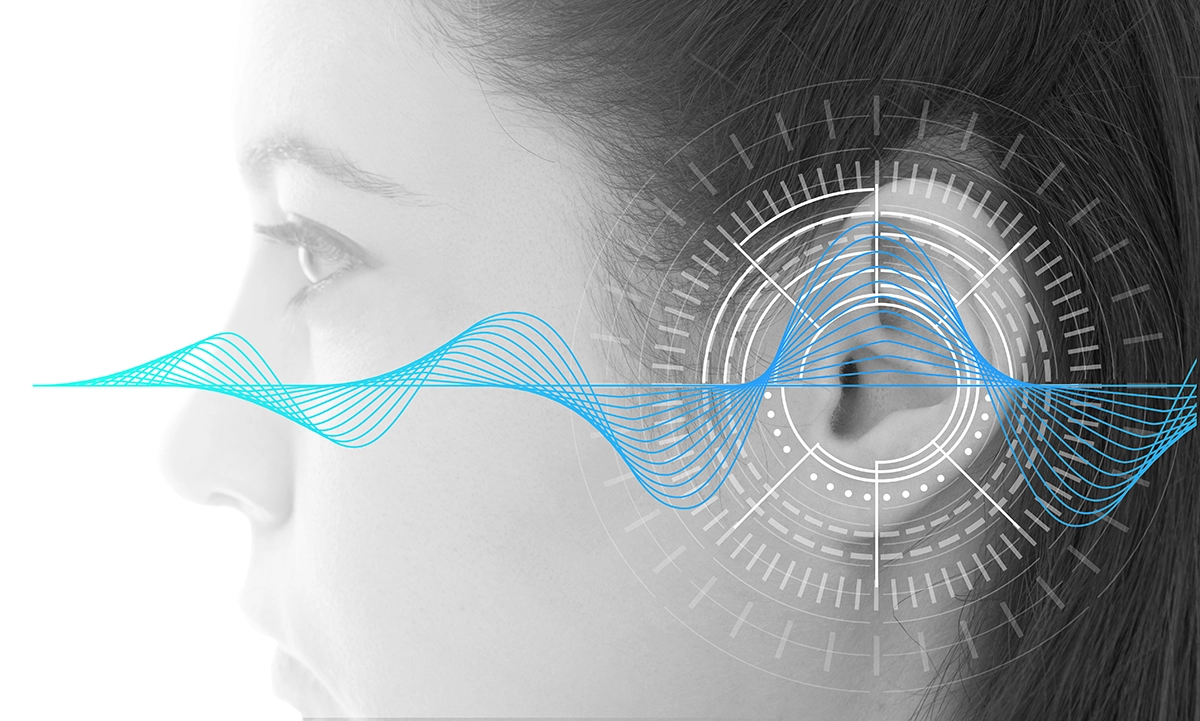
In today’s fast-paced environment, silence has become rare. From constant smartphone notifications to traffic, construction, and headphones, the human auditory system is exposed to more stimulation than ever before. While technology has improved communication and convenience, it has also introduced challenges that many people overlook—especially when it comes to long-term hearing comfort and mental clarity.
Understanding how sound exposure affects the body is no longer optional; it is a key part of modern wellness.
The Rise of Constant Sound Exposure
Urbanization and digital lifestyles have dramatically increased everyday noise levels. Even when we are not actively listening to music or speaking with others, our ears are still processing background sound. Over time, this continuous exposure can create fatigue in the auditory system.
This is where awareness of hearing health becomes essential. It is not just about preventing hearing loss; it is about maintaining clarity, focus, and comfort in environments that rarely offer true silence.
Many people do not realize that the brain also works harder in noisy environments. It constantly filters important sounds from background noise, which can lead to mental exhaustion, reduced concentration, and stress.
How the Brain and Ears Work Together
Hearing is not just a physical process—it is deeply connected to cognitive function. Sound waves enter the ear, but interpretation happens in the brain. This partnership means that both systems must work efficiently for optimal auditory experience.
When sound exposure becomes excessive or poorly managed, the brain may struggle to filter information properly. This can affect attention span, memory retention, and even emotional balance.
Supporting digital noise exposure management is therefore not just about protecting the ears—it is about supporting the entire nervous system.
Common Factors That Impact Auditory Wellness
There are several modern lifestyle factors that influence hearing and mental clarity:
- Headphone Usage
Prolonged use of earbuds or headphones at high volume is one of the most common contributors to auditory strain. - Environmental Noise
Traffic, construction, and crowded public spaces continuously stimulate the auditory system. - Stress and Fatigue
High stress levels can amplify sensitivity to sound, making even normal environments feel overwhelming. - Poor Sleep Quality
Inadequate rest affects how the brain processes sound, leading to reduced focus and increased sensitivity. - Lack of Auditory Breaks
Just like the eyes need rest from screens, ears need periods of reduced stimulation.
The Importance of Preventive Listening Habits
One of the most effective ways to support long-term auditory wellness is through preventive habits. These include:
- Lowering headphone volume to safe levels
- Taking regular breaks from continuous audio exposure
- Spending time in quiet environments
- Practicing mindfulness to reduce stress response
- Avoiding prolonged exposure to loud environments without protection
These simple actions can significantly reduce strain on both the ears and brain over time.
Natural Approaches to Supporting Ear Comfort
In recent years, there has been growing interest in natural wellness strategies that support auditory comfort and cognitive balance. These approaches typically focus on improving circulation, reducing inflammation-related stress, and supporting nervous system health.
While no single solution works for everyone, a holistic approach that combines lifestyle changes, nutrition, and stress management can make a meaningful difference.
Some wellness brands, such as NeuroQuiet Official Website, have also entered this space by focusing on auditory and cognitive support through natural formulations. However, it is always important for individuals to evaluate any wellness product carefully and prioritize scientifically grounded habits first.
Why Environmental Awareness Matters More Than Ever
Modern society is becoming increasingly loud, not just physically but digitally. Social media, constant notifications, and background media all contribute to what experts sometimes refer to as “information noise.”
This type of noise does not just affect hearing—it impacts decision-making, attention span, and emotional resilience. Learning to manage exposure is now a key part of maintaining balance in everyday life.
Creating “quiet time” in daily routines can help reset the nervous system. Even 15–20 minutes of silence per day can improve focus and reduce mental fatigue.
Building a Sustainable Hearing Wellness Routine
A practical routine for auditory well-being does not need to be complicated. It can include:
- Morning quiet time without screens
- Controlled audio exposure during work or study
- Short breaks away from digital devices
- Evening wind-down without loud entertainment
- Occasional time spent in natural, quiet environments
Consistency is more important than intensity. Small adjustments, when maintained over time, can have lasting benefits.
The Connection Between Lifestyle and Long-Term Comfort
It is becoming increasingly clear that hearing wellness is closely tied to overall lifestyle. Diet, sleep, stress levels, and physical activity all indirectly influence how the auditory system performs.
For example, poor circulation can affect how efficiently the inner ear functions. Similarly, chronic stress can heighten sensitivity to everyday sounds, making normal environments feel uncomfortable.
This interconnected nature of the body is why modern wellness approaches are shifting toward holistic care rather than isolated solutions.
Final Thoughts
In a world filled with constant stimulation, protecting auditory balance is essential. By becoming more aware of sound exposure, adopting healthier listening habits, and prioritizing rest for both mind and ears, individuals can significantly improve their quality of life.
True wellness is not just about avoiding harm—it is about creating conditions where the body and mind can function optimally.
Investing attention in hearing health today can lead to better focus, improved emotional stability, and long-term cognitive resilience in the future.
Leave a Reply